Resources

Policy Brief: Methane-Based Fuels in the IMO Life Cycle Assessment Guidelines
An Assessment of the Four Submissions to the IMO Intersessional Working Group on Reduction of GHG Emissions from Ships – ISWG-GHG 22, Agenda Item 4
Media Advisory: Landmark Court Rulings Require IMO to Close LNG's Emissions-Accounting Loophole, Legal Brief Finds
CEMDA and Maritime Beyond Methane release analysis as IMO heads into decisive Net-Zero Framework talks this fall, with a December vote on how LNG's emissions will be counted.
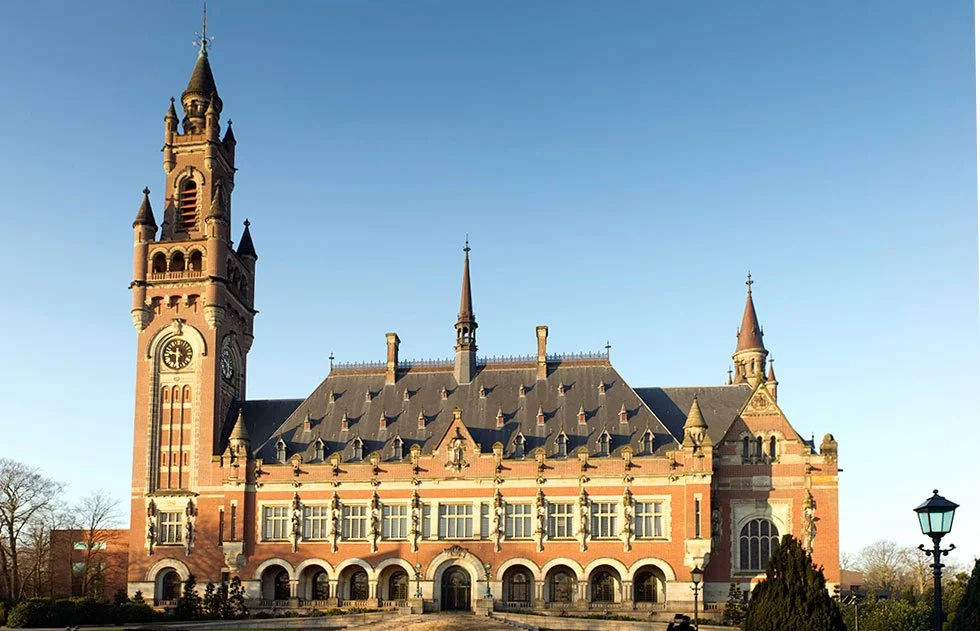
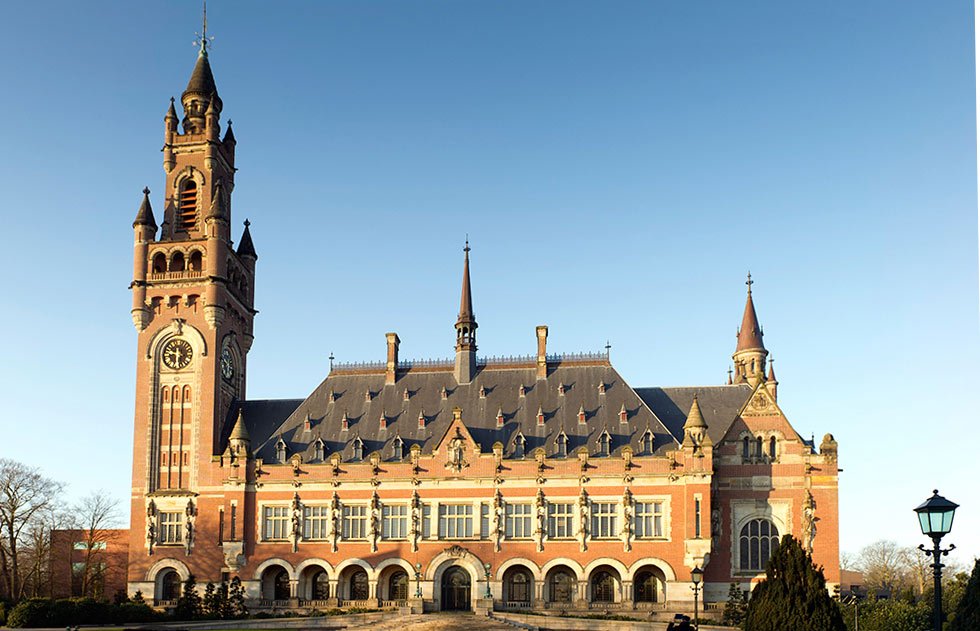
The ICJ Advisory Opinion on State obligations in relation to methane and maritime fuel
This brief examines the legal obligations that flow from the International Court of Justice (ICJ) Advisory Opinion on Climate Change (2025) as they relate to Liquefied Natural Gas (LNG) in the maritime shipping sector. The ICJ Advisory Opinion was rendered unanimously.
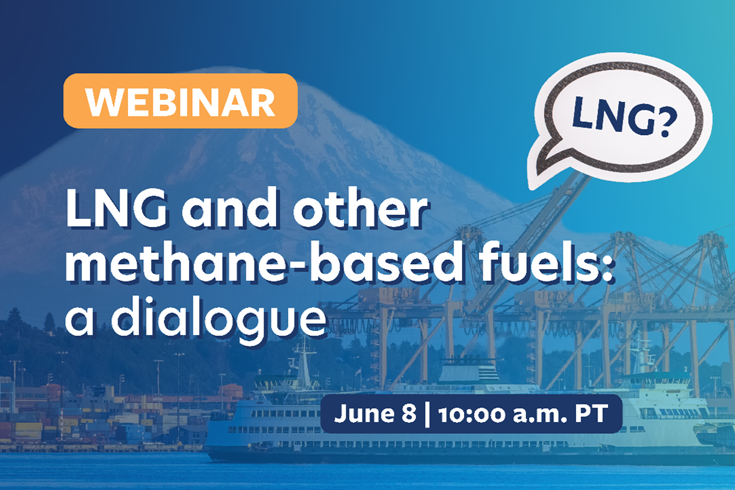
Webinar: LNG and Other Methane-Based Fuels
Join us for an upcoming webinar on LNG and other methane-based fuels including RNG and e-methane.
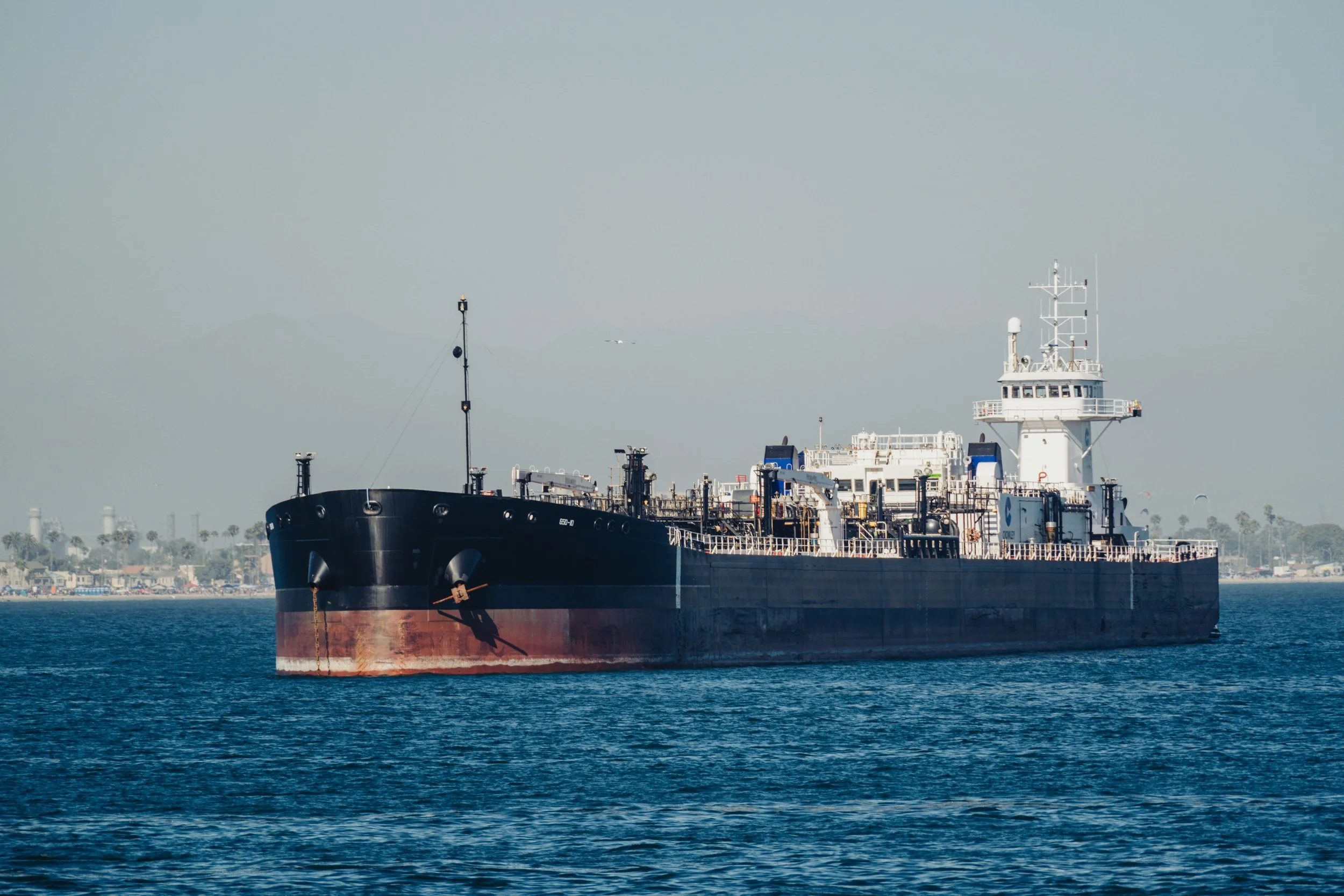
Analysis: Financing LNG Infrastructure and Rising Methane‑Related Risks at the Galveston LNG Bunker Port (GLBP)
The project remains pre-FID, with MUFG serving as financial advisor. As with many Gulf Coast energy ventures, GLBP seeks 20–30-year project finance despite relying on short-term (1–3 year), non-binding, volume-uncertain commercial agreements. This structural mismatch is the foundation of GLBP’s financial risk.
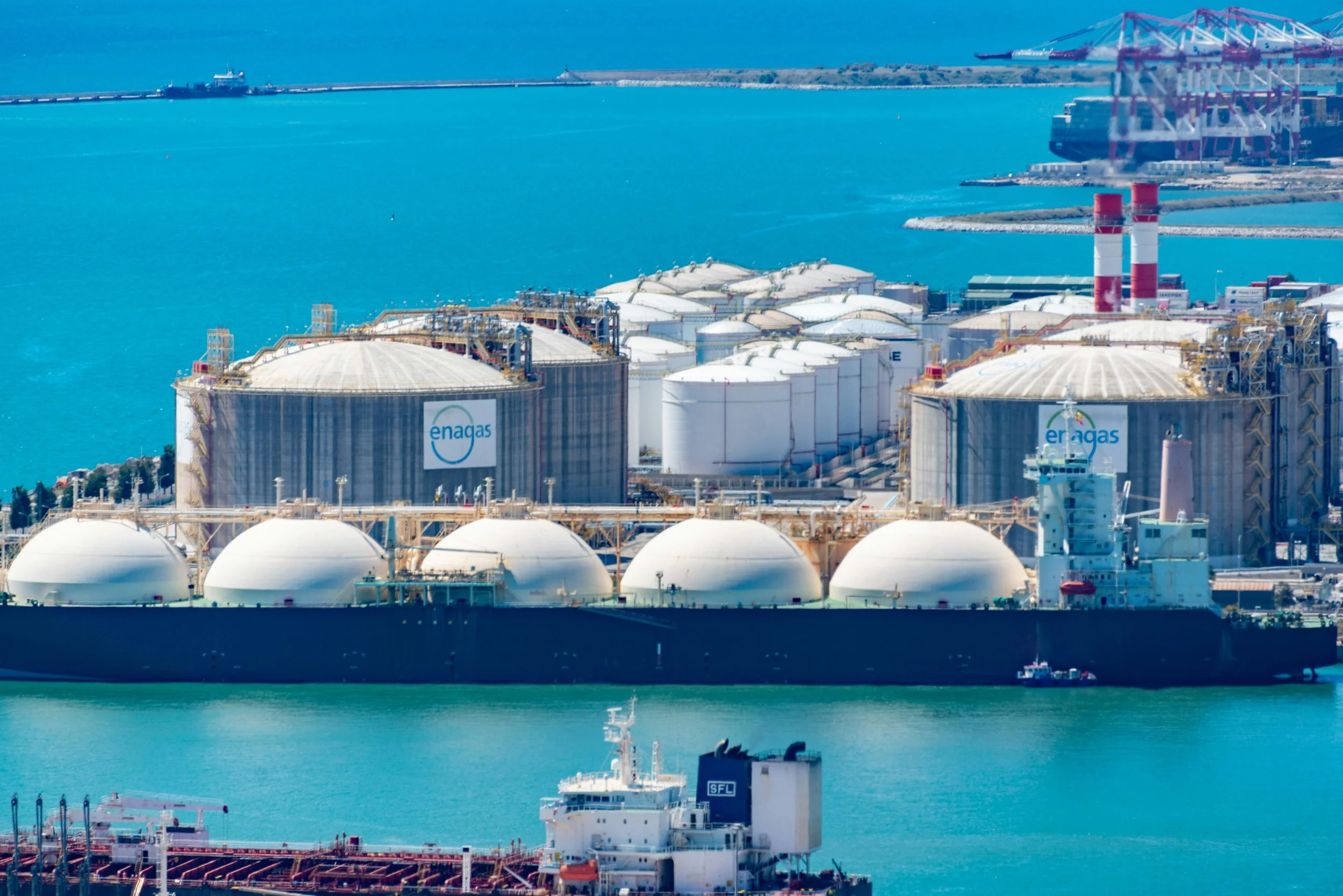
Ballast Water from LNG Tankers: Policy Gaps and Environmental Risks
Submission to MEPC 84 highlights critical gaps in ballast water regulation. This policy brief identifies the current regulatory landscape, including gaps and recommendations relevant to LNG tankers and the scale of projected fleet growth.
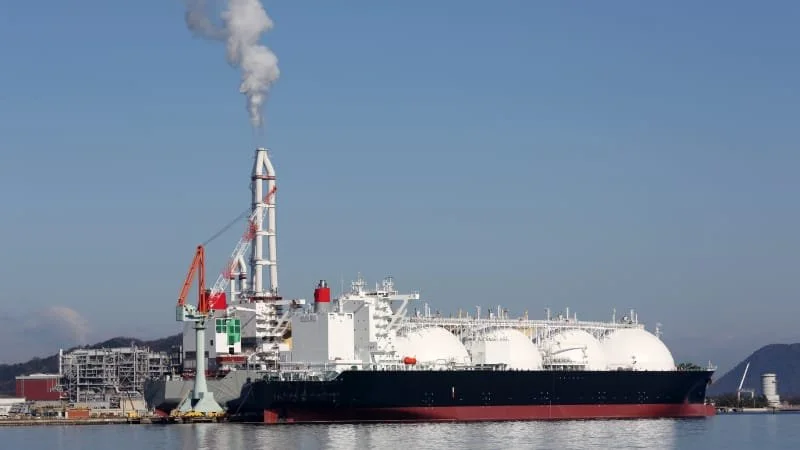
Op-Ed: The high cost of volatility: who pays when shipping’s LNG bet fails
The Middle East conflict has exposed LNG’s vulnerability to price shocks, supply disruption and tightening regulation. As bunker prices surge and scrutiny of methane emissions grows, operators face a sharper question: is LNG still a bridge fuel, or an increasingly stranded bet?
ISWG-GHG 21/3/18: Further Consideration of the Development of the IMO Life Cycle GHG Assessment (LCA) Framework
This document proposes that the Working Group recommend the Committee to re-establish the correspondence group on other social and economic sustainability themes/aspects of marine fuels at MEPC 84. It provides potential terms of reference for the same.
MEPC 84/4/25: Harmful Aquatic Organisms in Ballast Water
This document comments on the GESAMP-Ballast Water Working Group report by sharing a new study on ballast water operations, discharges and their impacts in the Gulf of California (GoC) from future liquefied natural gas (LNG) tanker traffic.
LEG 113/14/4: Suitability of IMO Liability & Compensation Regimes with Respect to Alternative Fuels
This document provides comments on document LEG 113/14 and examines the current lack of an international liability and compensation framework for emerging marine fuels and highlights the misclassification of fossil-based fuels such as LNG and LPG as alternative fuels.
MEPC 84/7/43: Reduction of GHG Emissions from Ships
This document comments on the report of the third meeting of GESAMP-LCA WG, regarding the development of a default well-to-tank (WtT) emission factor for fossil LNG. It highlights systematic underestimation of upstream emissions in life cycle assessments, cautions against adoption of non-representative or supplier-specific factors, and calls for a conservative, globally representative default value consistent with established benchmarks. It also provides alternative emission factors.
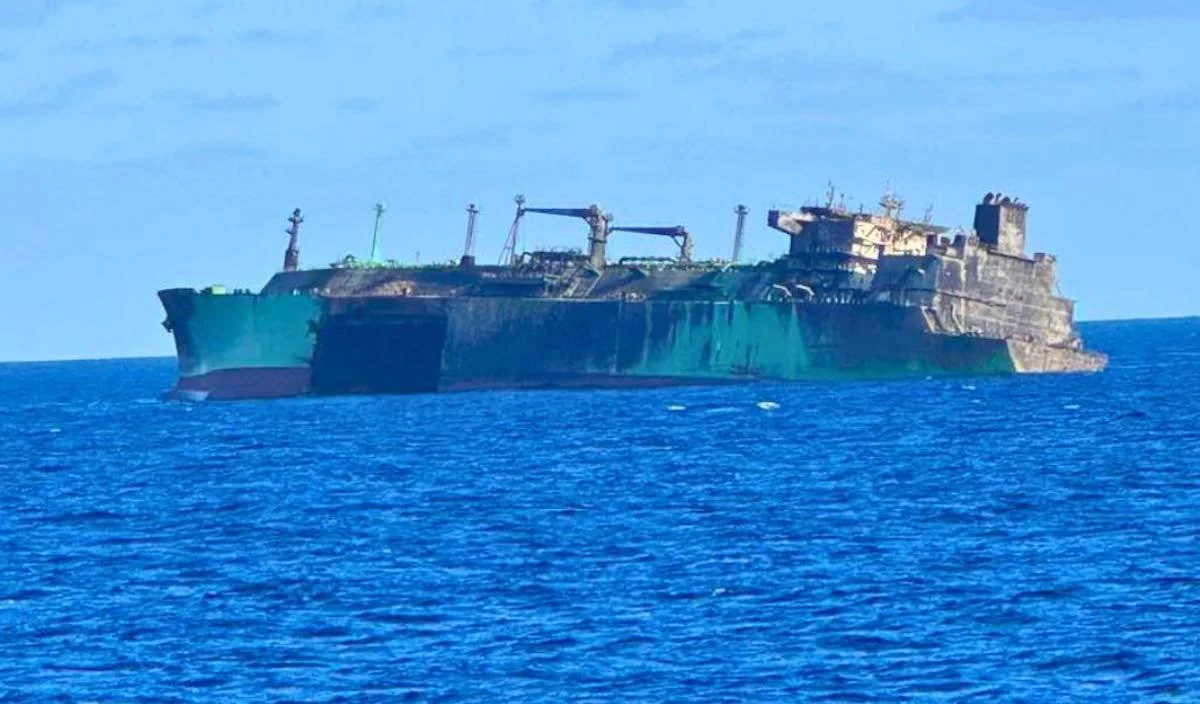
Op-Ed: Arctic Metagaz Explosion Shows That LNG Carriers Have Risks
As the IMO prepares to debate the future of shipping fuels, liability regimes, and climate regulation this spring, incidents like that involving the Arctic Metagaz should serve as a reminder that LNG expansion carries risks that extend beyond the ship itself. Regulators deciding the future of maritime fuels cannot afford to overlook the safety, environmental, and climate consequences of an expanding LNG fleet.
Bunkerspot ship.energy 2026 Annual Survey
The 2026 ship.energy annual survey brought together perspectives from over 40 maritime decarbonisation leaders to assess where the industry stands after a turbulent 2025. Among the contributors are MARBEM Members: Clean Arctic Alliance, Pacific Environment, Equal Routes, NABU, Transport & Environment, and Opportunity Green.
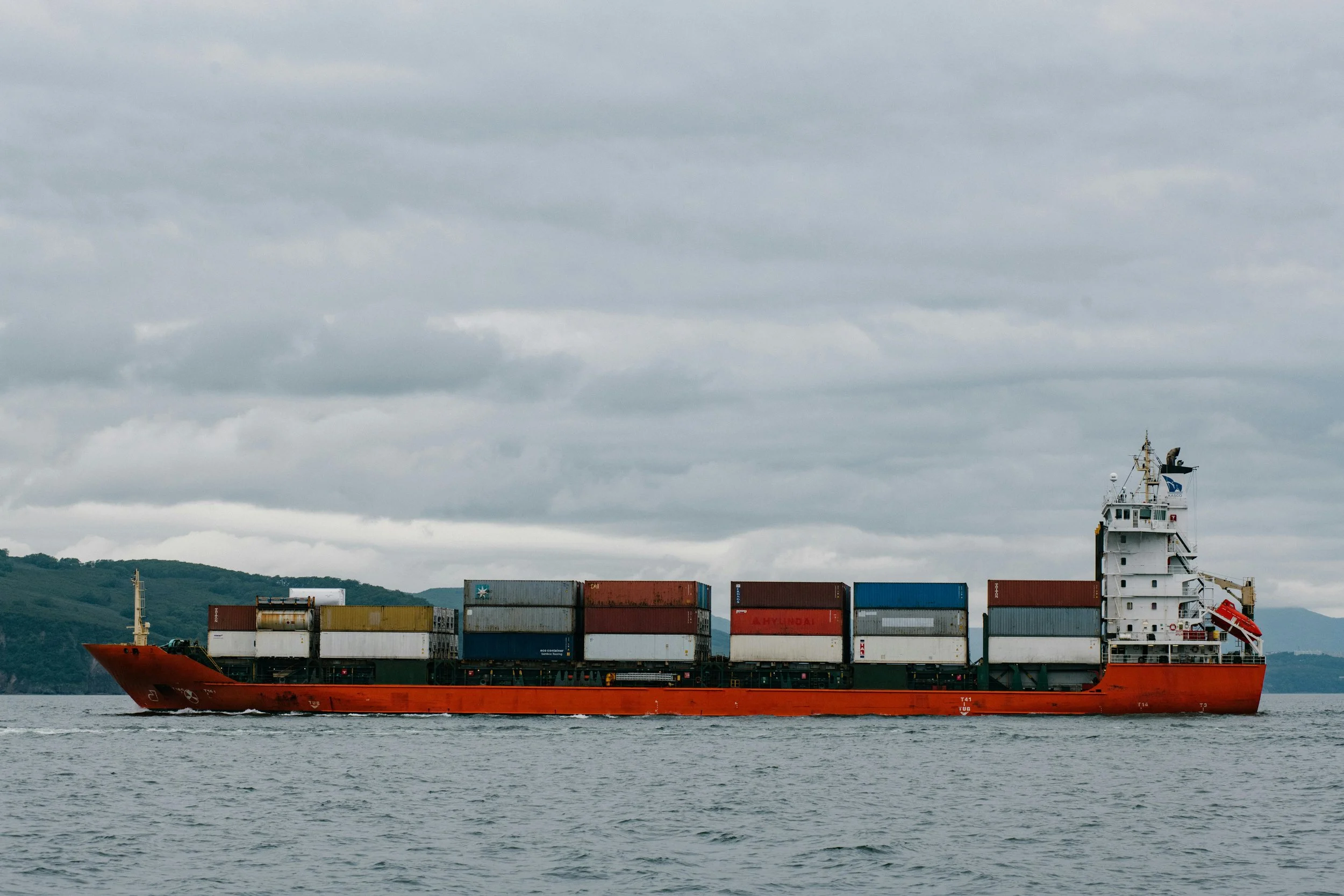
Press Release: State-owned public finance institutions utilize green finance frameworks to invest in maritime LNG projects, new report finds
State-owned public finance institutions utilize green finance frameworks to invest in maritime LNG projects, new report finds
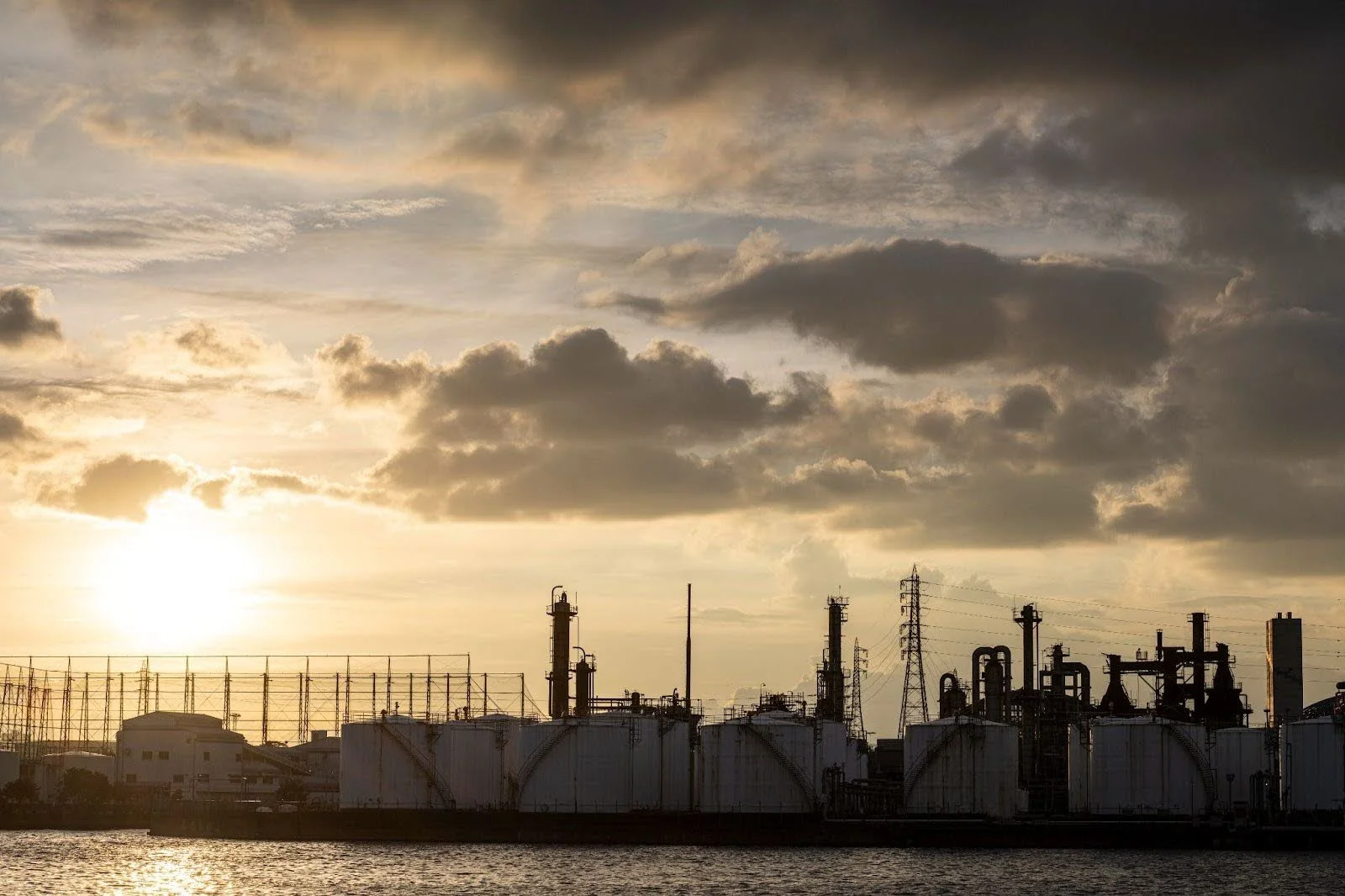
Global Analysis: Mapping Public Finance in the LNG Shipping Sector
Backed by global finance tracking databases, this analysis traces over $21.9 billion in public finance supporting 76 LNG maritime projects worldwide through loans, credit guarantees, sale and leasebacks, and equity.
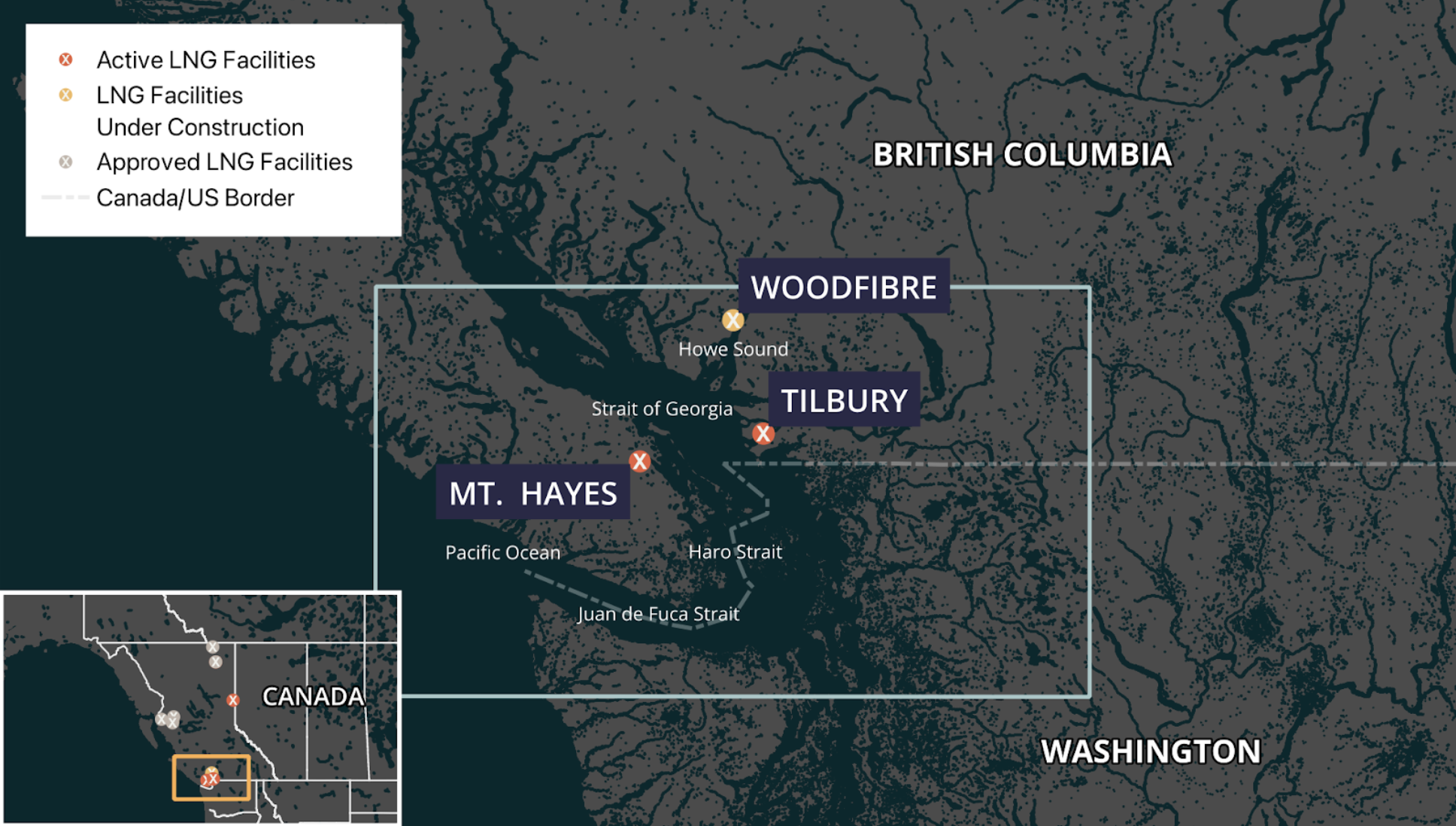
Mapping Threats from LNG Tankers in Southern British Columbia, Canada
This report provides a high-level overview of the social, environmental, and climate impacts of LNG infrastructure in southern BC, with a focus on Woodfibre LNG and Tilbury LNG export facilities and their associated LNG tanker traffic.
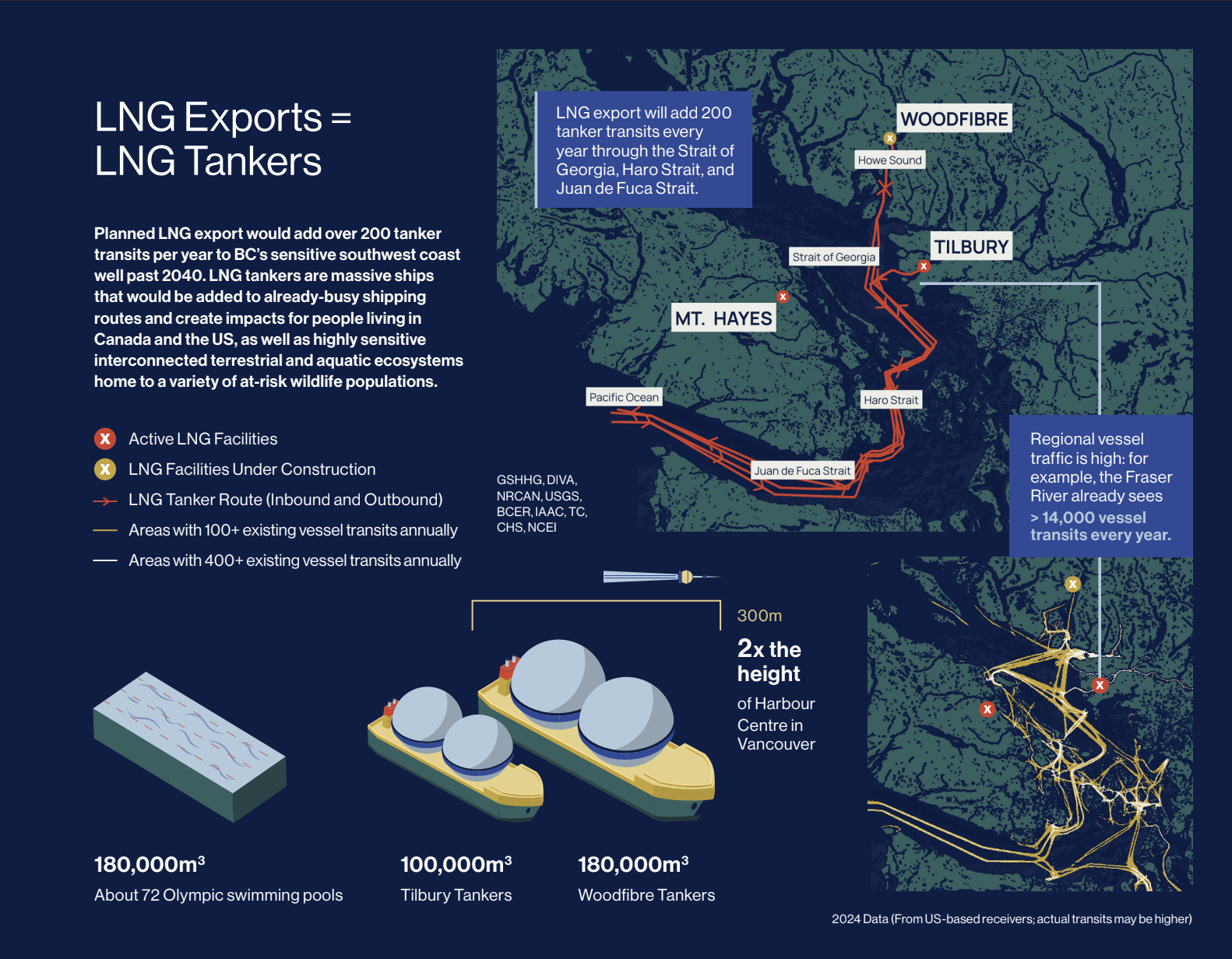
New research maps health and environment risks from LNG tanker routes through Vancouver and Squamish region
Maritime Beyond Methane (MARBEM) Press Release: New research maps health and environment risks from LNG tanker routes through Vancouver and Squamish region. More than 800,000 people reside within 10km of proposed LNG tanker routes.
New global shipping initiative launches to accelerate the transition beyond methane-based fuels
Maritime Beyond Methane (MARBEM) Press Release: New global shipping initiative launches to accelerate the transition beyond methane-based fuels.
ISWG-GHG 20-3-9: The IMO life cycle GHG assessment framework
This document encourages the re-establishment of the correspondence group looking at "other social and economic sustainability themes/aspects of marine fuels" for potential inclusion in the 2024 Guidelines on life cycle GHG intensity of marine fuels (2024 LCA Guidelines). By focusing on LNG, bio-LNG, and e-LNG as an example in this document, it is evident that without a comprehensive assessment of existing and emerging fuels, IMO's net-zero goals and the implementation of the IMO Net-Zero Framework could be under threat.

ISWG-GHG 20/3/7: Re-establishment of the correspondence group on other social and economic sustainability aspects of marine fuels
This document encourages the re-establishment of the correspondence group looking at "other social and economic sustainability themes/aspects of marine fuels" for potential inclusion in the 2024 Guidelines on life cycle GHG intensity of marine fuels (2024 LCA Guidelines). By focusing on LNG, bio-LNG, and e-LNG as an example in this document, it is evident that without a comprehensive assessment of existing and emerging fuels, IMO's net-zero goals and the implementation of the IMO Net-Zero Framework could be under threat.
Safeguarding Natural and Social Capital:
“The global LNG-fueled fleet’s estimated 247,000 tons of methane emissions in 2023 translated to nearly US$950 million in annual climate damages — a near-fourfold increase from 2016, when the figure stood around US$250 million.”
Get in touch.
Reach out to learn more about our work, share insights, or explore how we can partner to accelerate the shipping industry’s transition beyond methane.