

Aligning global ambition with maritime leadership.
Actionable insights and practical pathways to advance the future of shipping beyond methane.
Leveraging a broad network of experts to translate complex, cross-sector data.
Methane-based fuels, including fossil, bio, and e-LNG, are the main source of methane emissions in the maritime sector. To limit warming to 1.5°C, countries must reduce methane emissions by a third by 2030 and almost halve them by 2050.
We bring clarity to the policies, players, and pathways shaping the maritime decarbonization beyond methane.
Partners






Advancing Maritime Policy
Maritime Beyond Methane (MARBEM) helps strengthen regulatory frameworks that drive credible, evidence-based action on maritime decarbonization.
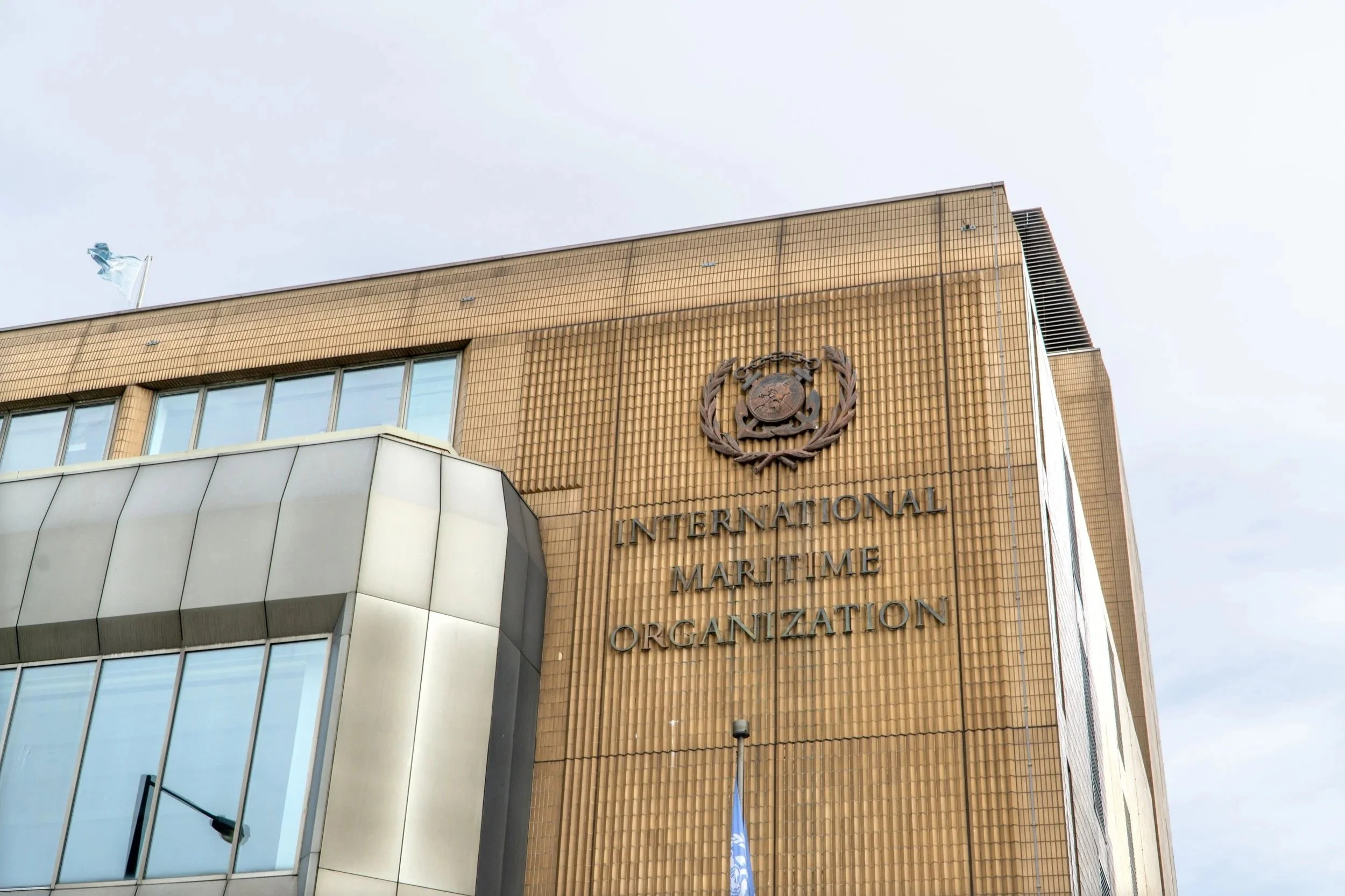
MEPC84/7/43: Reduction of GHG Emissions From Ships
This document comments on the report of the third meeting of GESAMP-LCA WG, regarding the development of a default well-to-tank (WtT) emission factor for fossil LNG. It highlights systematic underestimation of upstream emissions in life cycle assessments, cautions against adoption of non-representative or supplier-specific factors, and calls for a conservative, globally representative default value consistent with established benchmarks. It also provides alternative emission factors.
LEG 113/14/4: Suitability of IMO Liability & Compensation Regimes with Repsect to Alternative Fuels
This document provides comments on document LEG 113/14 and examines the current lack of an international liability and compensation framework for emerging marine fuels and highlights the misclassification of fossil-based fuels such as LNG and LPG as alternative fuels. Requests include: further technical and legal studies on the environmental, safety and socio-economic impacts of incidents involving LNG and other emerging marine fuels, with a view to informing the design of appropriate liability and compensation mechanisms;
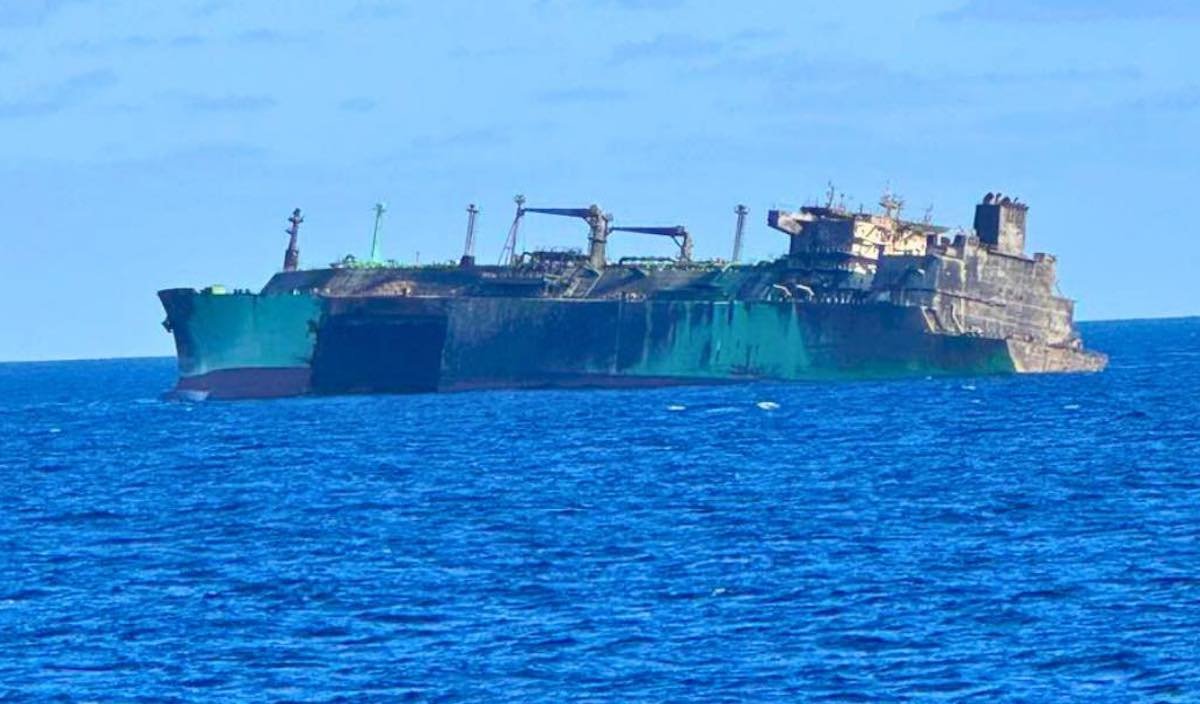
Op-Ed: Arctic Metagaz Explosion Shows That LNG Carriers Have Risks
Authored by MARBEM Members: Clean Arctic Alliance & Equal Routes
As the IMO prepares to debate the future of shipping fuels, liability regimes, and climate regulation this spring, incidents like that involving the Arctic Metagaz should serve as a reminder that LNG expansion carries risks that extend beyond the ship itself. Regulators deciding the future of maritime fuels cannot afford to overlook the safety, environmental, and climate consequences of an expanding LNG fleet.
Op-Ed: The High Cost of Volatility: Who Pays When Shipping’s LNG Bet Fails
Authored by MARBEM Member: Equal Routes
The Middle East conflict has exposed LNG’s vulnerability to price shocks, supply disruption and tightening regulation. As bunker prices surge and scrutiny of methane emissions grows, operators face a sharper question: is LNG still a bridge fuel, or an increasingly stranded bet?
ISWG-GHG 22: Policy Brief on Submissions under Agenda Item 4
This brief provides information on the implications of the four submissions for methane-based fuels. Its purpose is to complement analyses published on the broader IMO Net Zero Framework discussions at ISWG-GHG 22.
The four submissions are separate proposals to be considered on their own terms, not competing alternatives to a single decision. Three of them would primarily advantage methane-based fuels – fossil Liquefied Natural Gas (LNG) and bio-LNG (or biomethane) – and considered viable solutions at the International Maritime Organization (IMO) moving forward.
Featured Reports
Analyses that bring transparency to maritime finance, policy, and technology — informing practical pathways beyond methane.
Get in touch.
Reach out to learn more about our work, share insights, or explore how we can partner to accelerate the shipping industry’s transition beyond methane.